All Categories
Featured

How to Leverage Digital AI in 2026
Table of Contents
When asked what they will do differently in 2026 to reinforce durability to geopolitical interruption, cyber threats and financial criminal activity, leaders overwhelmingly prioritised technology-led defences, with individuals investment lower down the list of priorities. 43% plan to invest more in technology41% in AI36% in cyber resilience35% in information management and security24% plan to invest more in peopleThis technologyfirst technique is mirrored in scams and financial crime techniques:68% prioritise scams avoidance technology20% are investing in worker scams awareness and education9% in human fraud expertiseTogether, the findings recommend safeguarding methods are significantly built around systems, automation and analytics, with individuals investment concentrated on oversight rather than functioning as the primary line of defence.: "Numerous monetary services firms already have large, technical and highly skilled risk teams but technology is ending up being the very first line of defence for many whether against cyber threat, fraud or geopolitical disruption.
As 2026 appears, UK entrepreneur are facing an extremely various landscape to the one they knew even 3 or 4 years earlier. Inflation has relieved from its peaks however remains stubbornly above target. Interest rates are expected to remain higher for longer. Worldwide growth is slowing, trade paths are fragmenting, and AI is reshaping how work gets carried out in every market.
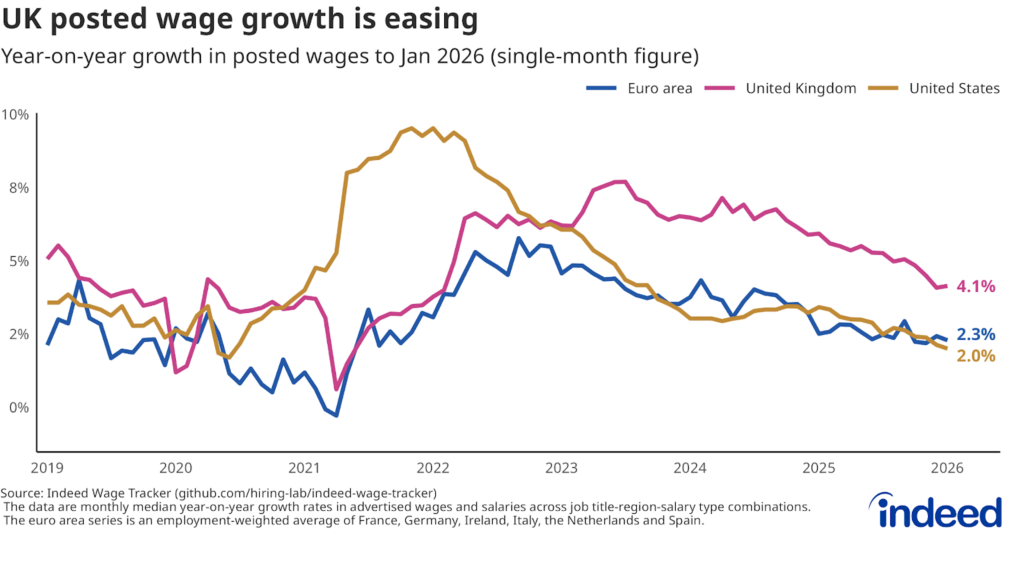
On home soil, the outlook is one of sluggish, irregular development. Projections suggest modest UK GDP expansion over 2025 and into 2026, but with success under pressure as wage growth and controlled expenses surpass efficiency enhancements. Inflation is anticipated to stay above the Bank of England's 2% target for longer than formerly hoped, even as headline rates wander below the spikes of current years.
Financial obligation will feel heavier, refinancing will be more exacting, and lending institutions will anticipate a far clearer story about money generation, danger and headroom. International growth is forecasted to be steady however suppressed in 20252026, with advanced economies growing gradually while parts of Asia, Latin America and Africa broaden more quickly.
The Art of the Offer: Working Out International Alliances EffectivelyAn Analysis of UK Capital Trends
In practical terms, that indicates UK SMEs with global providers or customers can anticipate more volatility: in lead times, in shipping expenses, and in the behaviour of overseas buyers who are dealing with their own restraints. at this level, the FD's task is to translate vague talk of "macro headwinds" into particular tension tests and choices.
How the Circular Economy Fixes Resource Deficiency ChallengesDesign numerous profits circumstances, modest growth, flat trading, and a short downturn, and show the implications for cash and headroom. Highlight which expense lines are structurally "sticky" versus those where there is space to manoeuvre. Develop the narrative lending institutions and investors now expect: not simply historic numbers, but a credible prepare for durability.
The outsourced Financing Director takes a loud financial backdrop and turns it into a practical playbook for your company. Economic commentary can feel abstract until it lands in your numbers. For a lot of small and mid-sized services, the outlook for 2026 translates into a familiar but unpleasant mix of pressures: compressing margins, particularly in labour, and energy-intensive sectors.
Layer in global characteristics and the image gets more complex. If you rely on imports, you might see regular shortages or sharp rate movements.
Navigating the 2026 British Business Landscape
Currency swings can assist or hurt, but either method they add sound to already thin margins. All of this increases the premium on disciplined financial management. In 2026, "roughly best" numbers and occasional spreadsheet forecasts simply won't be enough to persuade banks, financiers, property managers, or strategic partners that your organization is resilient.
benchmarking labour expense ratios and gross margins, mapping cost-to-serve by consumer and job, and highlighting underpricing and discounting that erodes earnings. modelling the effect of frozen limits, timing reimbursement more efficiently and ensuring business prevents preventable leakage. analysing revenue by segment and channel to identify durable locations and where pricing power remains practical.
examining performance per head and designing the trade-offs between hiring, outsourcing and automation. For lots of UK SMEs, global development does not arrive with a grand strategy document. It creeps in. A handful of abroad clients. A distributor in Europe. A remote group member employed for specialist skills. A new market evaluated "simply to see".
But international growth has a routine of creating legal and tax exposure long before a service feels "big sufficient" for that to matter. The obstacle is that cross-border activity changes the rules of the game. You're no longer operating inside one system of tax, employment law, consumer rights, data guidelines, banking friction and regulatory expectations.

Latest Posts
Navigating UK Mid-Cap Scale Models for 2026
How to Leverage Next-Gen AI in 2026
Mapping the UK Economic Outlook and Growth Strategies