All Categories
Featured
How to Leverage Next-Gen AI in 2026
Table of Contents
Boosting financial development has become the defining goal of the Labour Federal government's technique to policy and regulation, with monetary services positioned as an essential sector in conference this aspiration. Over the previous year, this focus has actually translated into a series of regulative and policy interventions designed to improve competitiveness, unlock investment, and recalibrate the balance between consumer security and market participation.
The publication of the in July offered a clear declaration of intent, while the decision to abandon prepare for a UK Green Taxonomy indicated a pragmatic divergence from the EU's approach to sustainable finance. While Brussels continues to embed its Taxonomy, both jurisdictions remain lined up in their pursuit of growth or 'financial competitiveness', as it's typically framed at the EU level.
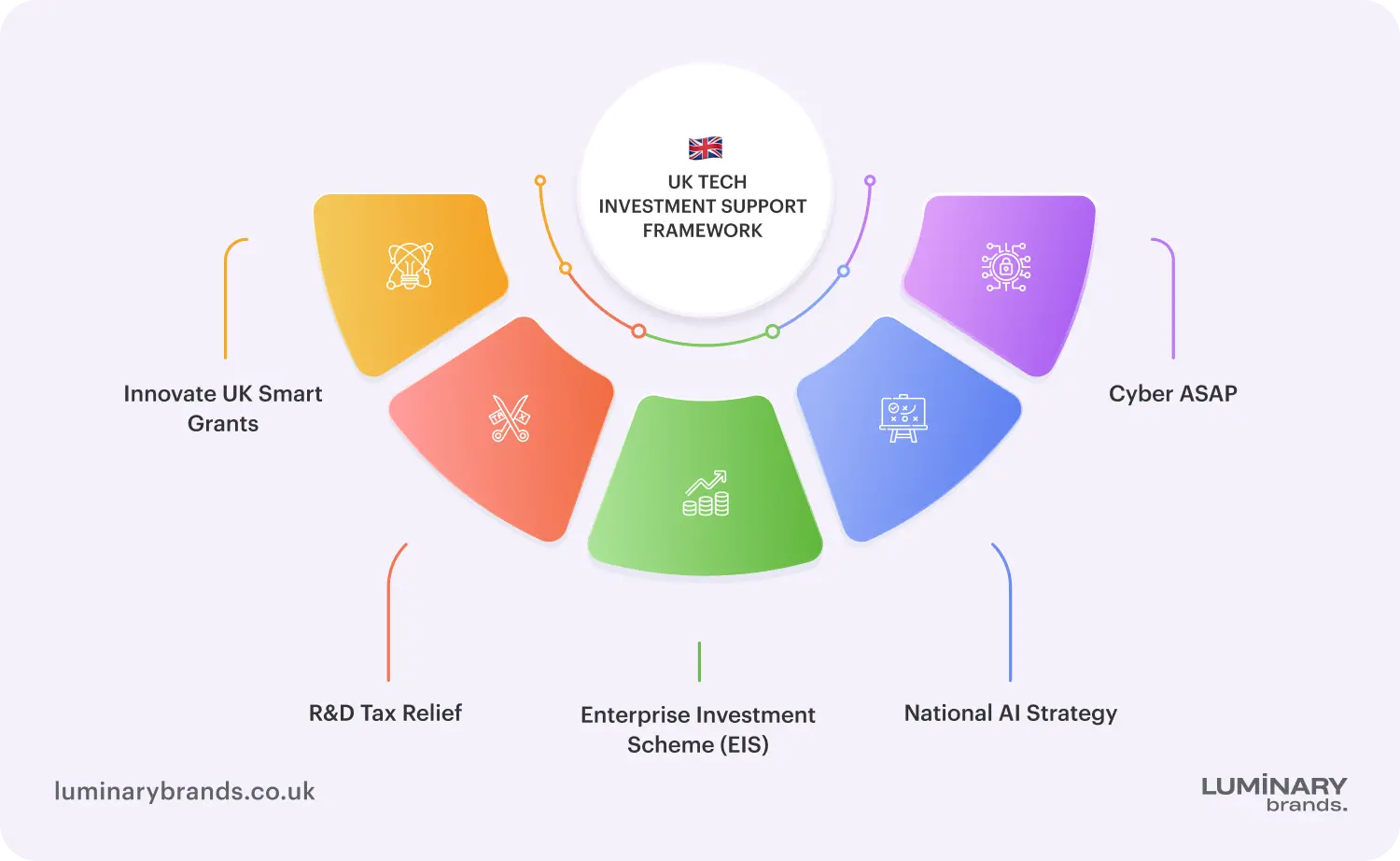
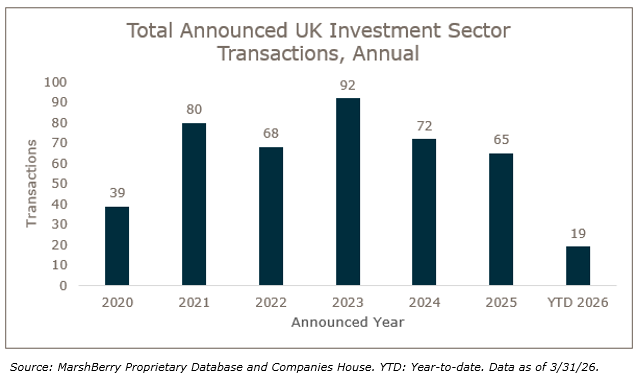
Leveraging Venture Capital for UK ScalingThis is a brand-new structure allowing personal company shares to be traded on an intermittent basis. The Chancellor's 2025 Fall Budget statement of a three-year Stamp Task Reserve Tax (SDRT) exemption for newly noted firms exemplified efforts to make London listings more appealing. Nevertheless, lots of in the industry believe this modification will have restricted effect on boosting the variety of UK companies choosing to go public in your home, compared with listing in jurisdictions with more liquid markets and deeper capital pools most especially the United States.

Emerging from the Suggestions Assistance Limit Review, the regime is developed to bridge the enduring gap between generic guidance and full regulated recommendations. It will enable firms to offer customized, non-individualised recommendations to defined groups of customers with shared requirements. Firms might encourage people with significant cash holdings to invest or support consumers making crucial pension choices without the expense and complexity of complete suggestions.
Driving Sustainable Returns Through ESG Supply Chains
That said, initial uptake is anticipated to be sluggish as firms come to grips with having the systems and consumer data needed to properly sector groups. Alongside these efforts to promote investment, the Government is also coming to grips with the difficulty of keeping trust and self-confidence in the monetary system. An updated National Scams Strategy is anticipated in the coming months, with industry debate primarily centred on whether Huge Tech and telecoms companies must bear higher obligation for scams coming from on their platforms or networks.
While Labour indicated a harder stance throughout the 2024 basic election project, recent indications suggest that the Government will not consist of any monetary compensation responsibilities for tech companies in the upcoming Scams Technique. This apparent recalibration reflects not only domestic policy considerations however likewise larger geopolitical level of sensitivities, provided the United States ownership of lots of major innovation platforms and the present Trump administration's desire to overtly challenge overseas regulative changes viewed to disproportionately impede US interests.
These challenges cut throughout capital markets and retail investment, affecting the complete spectrum of the policy and regulatory framework for financial services varying from prudential requirements to how firms support their consumers. Understanding these developments and engaging effectively with policymakers and regulators is crucial for firms aiming to stay ahead.
Whitehouse is fluent in offering the knowledge and insight required to do exactly that. For queries or to discuss how we can support your company, please call us at: .
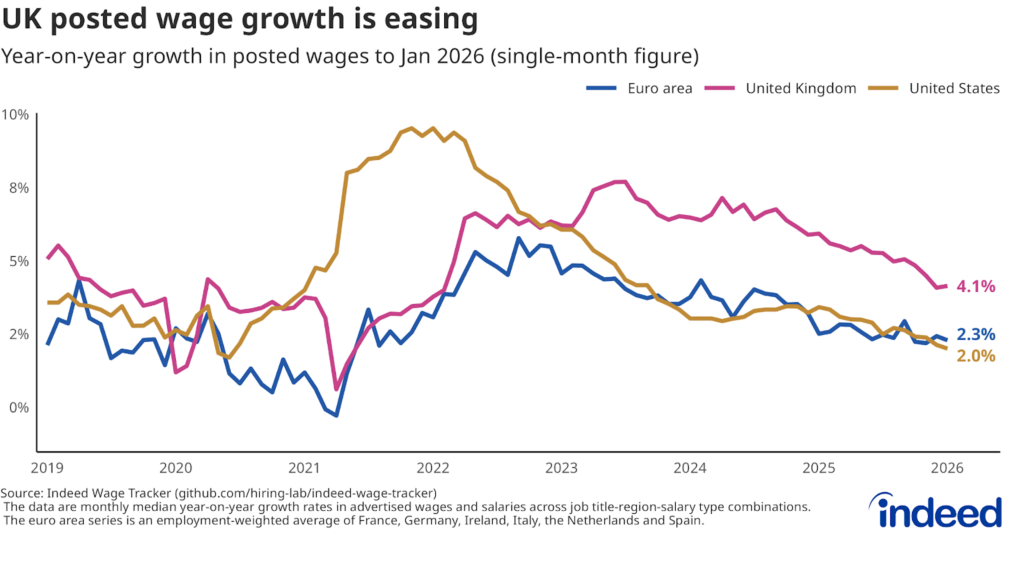
Most UK monetary services companies prepare to increase hiring in 2026 with recruitment driven mostly by the requirement for AI proficiency, according to KPMG's UK Financial Solutions Belief Study. The quarterly poll, which tracks sentiment of 150 sector leaders, found that over half (55%) anticipate to hire more staff this year and more than 8 in 10 are confident about employing the abilities their businesses needs in the very first quarter of 2026.
Smart Tactics to Fuel 2026 Mid-Market Growth
52% of firms employing in 2026 anticipate recruitment to focus on technologyAI skills are most in need when it comes to employing beyond the sector and upskilling (cited as the greatest focus among 44% and 43% of respondents respectively)57% of those who are planning to increase Board level hiring say getting AI skills is the greatest focus this yearAI advancement is the 2nd most significant aspect influencing hiring choices for 2026 (25% of respondents), behind just the UK financial outlook (31%)Managing Director level was ranked the most significant recruitment concern, while only 4% said apprenticeships will be a top priority down from 20% in December 2024 "Provided the wider declining jobs market, the fact that financial services, a sector that currently develops 1 in 13 UK tasks, prepares to work with more is a huge cause for optimism.

Latest Posts
Navigating UK Mid-Cap Scale Models for 2026
How to Leverage Next-Gen AI in 2026
Mapping the UK Economic Outlook and Growth Strategies